






Nov 7, 2024
M&A’s Overlooked Pitfall: The False Negative

Stay connected with us
Learn more about high-performance web design—follow us on Twitter and Instagram.

Rooted in their beliefs and inspired by their journey, the brand identity was crafted to reflect their story and future direction.
Plenty of merger deals should never happen: Buyers are too often attracted to “false positives” in targets that are overvalued. Less noticed are the deals that get away, but shouldn’t, because of “false negatives” — an undervaluation based on outdated methodologies that leads to a losing bid.
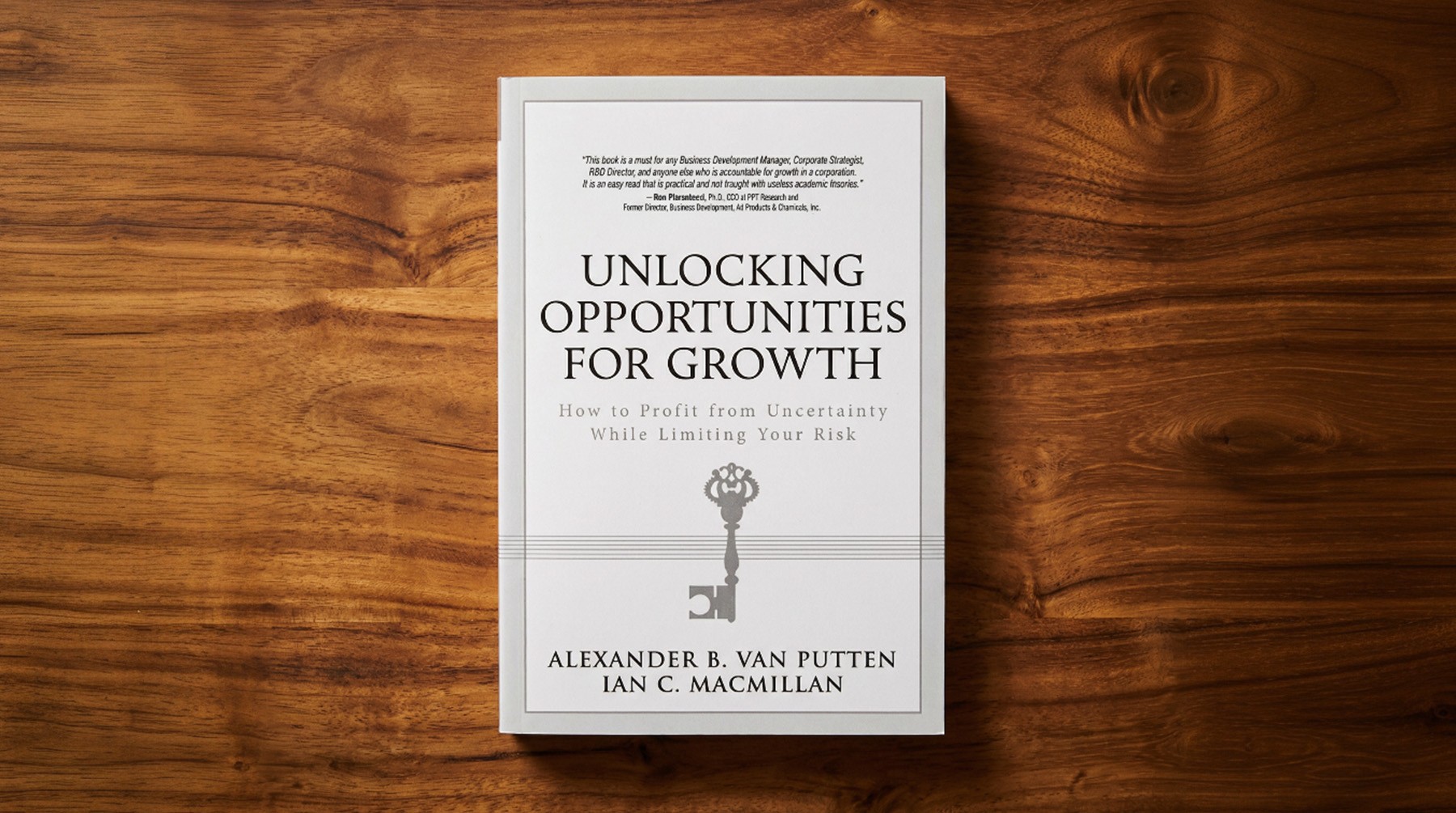
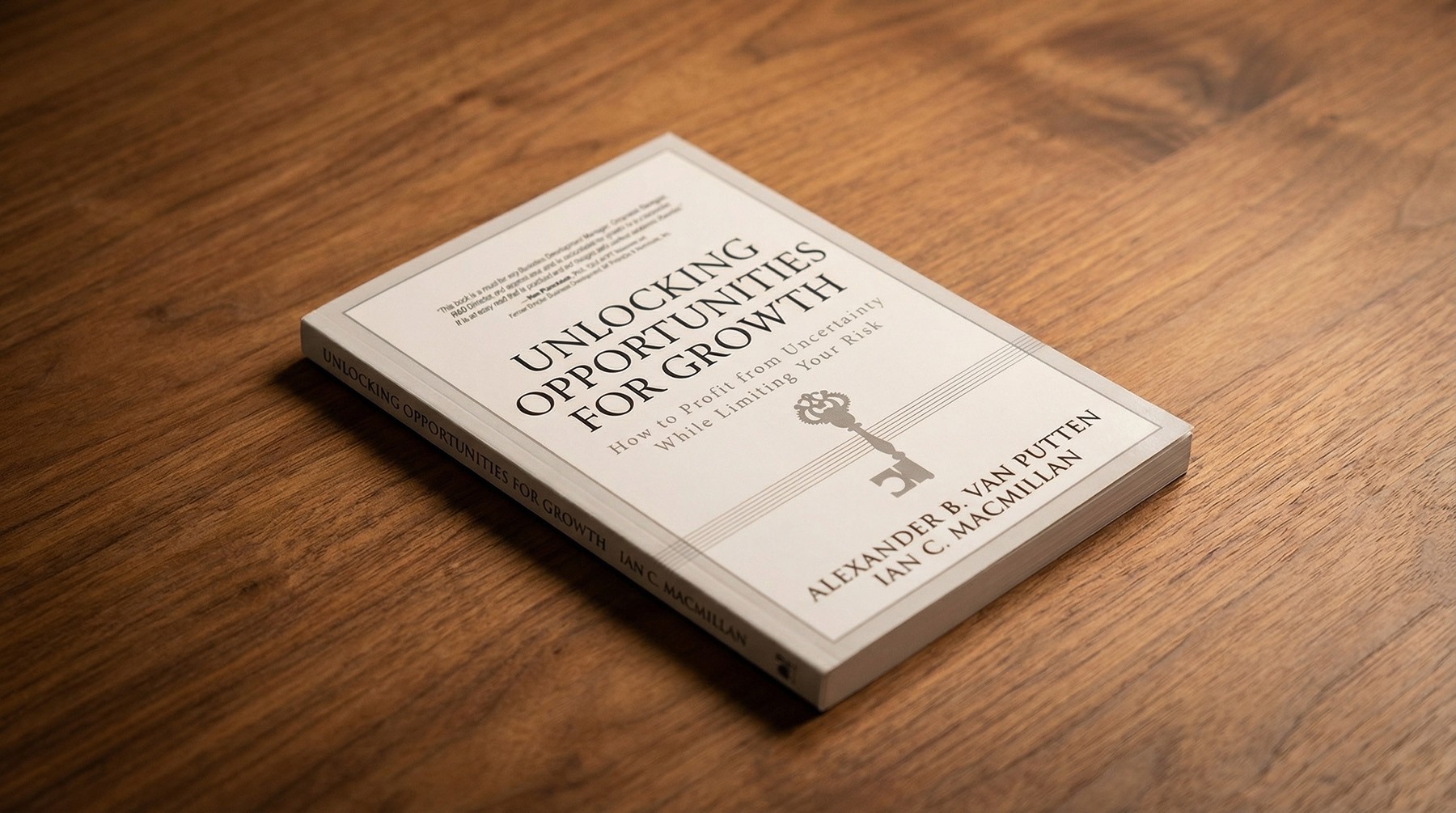
The true value of a target company can be determined only if the buyer looks beyond current core operations to include future potential, argue three M&A experts — Alexander B. van Putten, a principal of consulting firm Cameron & Associates and a lecturer at Wharton; Mehrdad Baghai, managing director of Sydney, Australia-based Alchemy Growth Partners, a boutique advisory and venture firm, and a co-author of the book The Alchemy of Growth; and Ian C. MacMillan, a professor of innovation, entrepreneurship and management at Wharton….
"Created for the curious and the conscious, First Round pairs innovative flavor design with uncompromising quality. It’s where bold vision meets artisanal craft—turning each sip into a moment of wonder."
Samuel D.
Risk Management Officer Bank Permata
Plenty of merger deals should never happen: Buyers are too often attracted to "false positives" in targets that are overvalued. Less noticed are the deals that get away, but shouldn't, because of "false negatives" -- an undervaluation based on outdated methodologies that leads to a losing bid. The true value of a target company can be determined only if the buyer looks beyond current core operations to include future potential, argue three M&A experts -- Alexander B. van Putten, a principal of consulting firm Cameron & Associates and a lecturer at Wharton; Mehrdad Baghai, managing director of Sydney, Australia-based Alchemy Growth Partners, a boutique advisory and venture firm, and a co-author of the book The Alchemy of Growth; and Ian C. MacMillan (http://mgmt.wharton.upenn.edu/people/faculty.cfm?id=1338), a professor of innovation, entrepreneurship and management at Wharton.
"When will we finally close a deal?" The frustration around the management table at Bank X was palpable. The company had just been outbid by its archrival in the pursuit of a key competitor in its rapidly consolidating sector. It was déjà vu all over again.
Only months before, Bank X had gone after the prized local assets of a struggling global player that were being auctioned as part of a restructuring. Its M&A team had felt very confident going into the final round of bidding. The team had completed very detailed financial models and taken into account all synergies to arrive at its final bid. Yet Bank X also lost that chase -- and to the same archrival.